What is an End-of-Life Doula?
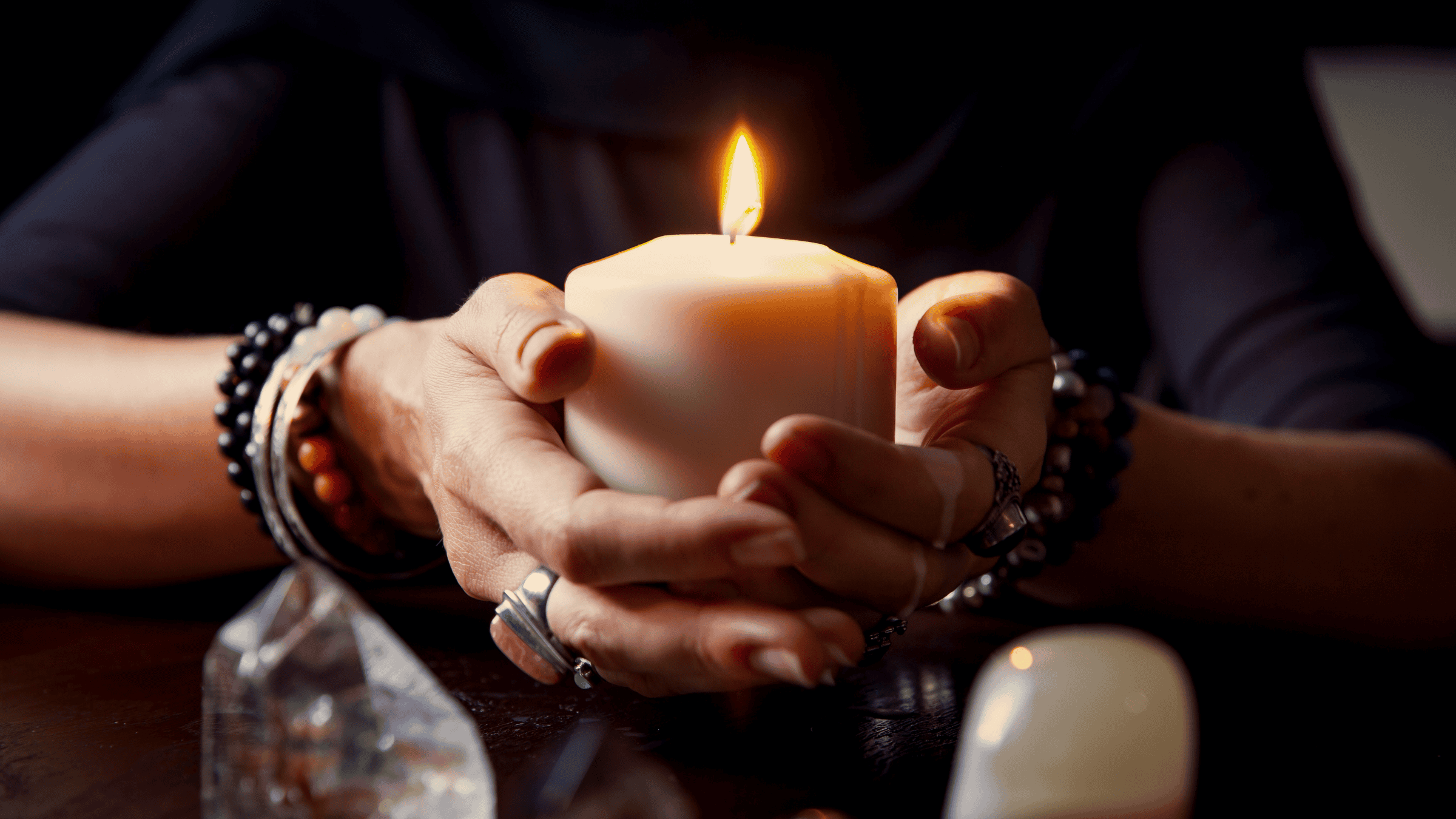
Death is one of the few certainties of life, yet most people avoid talking about it at all costs.
It’s as though death is the largest possible elephant in a room that’s exploding at the seams - and you may think to yourself - if I can just turn my head away for long enough, I won’t have to remember it exists. But that’s not how this works.
Most people only come face-to-face with death when they’re forced to deal with a diagnosis, an emergency, or outside forces of nature, within their own lives or of those they love. The moment can be incredibly jarring.
Not only are you trying to wrap your head around what’s happening, but you’re also trying to regulate your emotions just enough to keep it together (for yourself and your loved ones), while considering next steps or creating a mental checklist of “how to get through this”.
That’s a lot for any individual human being to deal with.
The experience can feel isolating, overwhelming, and unfamiliar. But it doesn’t have to be faced alone.
Enter end-of-life doula - a trained companion that helps people navigate the end of life with intention, dignity, and support. While the role may be unfamiliar in casual conversation, EOL doulas are people who seek to bring more humanity and personalization back to the dying process.

What is an End-of-Life Doula?
An end-of-life doula - also known as a death doula or death midwife - is a non-medical professional who provides emotional, spiritual, and practical support to individuals who are dying and their families/loved ones. Think of them as supplemental support to your existing medical, palliative care, or hospice team.
While birth doulas help to usher humans into this world, death doulas help support and ease the passage out of this world.
This role has historical roots - communities have always designated people to sit with the dying. While the pace of modern life has obscured the memory of ancient traditions and practices, doulas embody person-centered care, bringing it back to those who most need it in their final moments.
The ultimate goal of an EOL doula is to hold presence and emotional space for the dying - to support and offer gentle guidance, advocating for their needs during their most profound life transition.
In fact, the term “doula” comes from the Greek word meaning “a woman who serves”. While it was previously considered a woman-centered offering, today there are compassionate people of all kinds sitting by the bedside with those who need them.
How is an End-of-Life Doula Different From Hospice or Palliative Care?
It’s one of the most common questions, with important distinctions. To be clear, this is never a matter of end-of-life doula vs hospice. Hospice and palliative care teams - primarily composed of doctors, nurses, social workers, chaplains, and aides - focus on managing a patient’s physical symptoms, providing pain relief, and supporting medical decision-making. While they provide essential clinical care, their time with individual patients is often limited depending on their caseloads.
End-of-life doulas fill the spaces that the medical care team often is unable to reach due to time restrictions. A doula’s work is relational, not medical, and so there is space to focus on the emotional, spiritual, existential, and logistical aspects of dying. That means they might sit bedside, help a family through care plan conflicts, or guide someone in articulating what a meaningful death looks like to them.
While a medical team manages how someone dies physically, an EOL doula helps shape the experience of dying on the person’s own terms. An end-of-life doula is the person in the room with no clinical checklist; their focus is to be present with you.
End-of-life doulas do not replace a palliative care or hospice team; they work alongside them.
Creating an ambiance in which clinical expertise and personal companionship can collaborate to support the well-being of someone who is dying ensures a more holistic and harmonious experience.

What Does an End-of-Life Doula Actually Do?
The scope of death doula services is broad and can be personalized, but it generally spans several important areas. So here’s a quick rundown for those who are wondering - what does a death doula do”?
Advance Care Planning
Long before one’s final days, a death doula can help clarify an individual’s wishes and priorities around end-of-life care - beyond what a standard advance directive covers. This process involves thinking about, discussing, and documenting your future care based on your values and preferences.
It can include conversations with family and loved ones about what matters to you, what trade-offs you would accept, and who should make decisions on your behalf.
A doula can facilitate conversations between family members who may not agree when it comes to treatment decisions, resuscitation preferences, or care settings.
The planning phase can also include assisting with paperwork such as advance directives, POLST/MOLST forms, and healthcare proxy designations.
Creating an End-of-Life Plan
A death midwife can help design a personal plan for the final days and hours that reflects the individual’s identity and wishes. This can include:
Environmental choices: Preferred room, lighting, temperature, favorite objects, blankets, or artwork.
Sensory elements: Music, readings, poems, prayers, silence, nature sounds, aromatherapy.
Rituals: Spiritual or religious ceremonies, cultural traditions, or secular rituals that the person finds meaningful.
People: Deciding who should be present, who should be called, and what kind of interaction (conversation, touch, quiet presence) is preferred.
This process provides agency to the dying person, adding a layer of harmony to an experience that can otherwise feel beyond their control.
Vigil Planning - Presence During Active Dying
One of the most valuable aspects of a doula’s work is their willingness to be present during the active dying process, which can be frightening for families who aren’t sure what to expect.
They can coordinate a vigil plan so that the dying person is never alone, guiding family and/or friends through rotating shifts, helping to clarify what to expect physically and emotionally.
Doulas provide a calm, non-anxious presence that can anchor the room during an intensely emotional time.
For those who are dying alone or with limited support, a doula may be a primary companion during this time to ensure that one is dying with dignity.
Legacy Work
Doulas can help individuals create legacy projects - expressions of their life, values, and love that can be passed on after death. Some of the common forms include letters to loved ones, audio or video recordings, memory books, recipe collections, ethical wills, and creative projects. This can be deeply healing for the dying person and those they leave behind - providing a sense of meaning and completion.
Grief Support
An end-of-life doula’s involvement does not necessarily end at the moment of death. Many offer support to family members during the early stages of grief. This might mean helping with practical next steps, assisting with phone calls and funeral arrangements, offering space to process emotions, providing resources for long-term grief care, or simply being a caring presence during a disorienting time.
Who Can Benefit from a Death Doula?
The short answer is just about anyone. EOL doulas work with people of all ages, backgrounds, spiritual beliefs, and family structures to provide end-of-life support. Because the work is shaped around the individual, this is not a one-size-fits-all approach.
Doulas can be especially helpful in situations such as:
People aging alone or without a strong support network. A doula can provide companionship and advocacy for those who might otherwise not have it available to them, be it because they are estranged from their family or they’re unable to relocate closer to the dying person.
Families who are feeling overwhelmed. When the emotional or logistical weight of the situation feels unsustainable, a doula can help provide structure and share the load.
Individuals who want an intentional dying process. For those who want their death to reflect their life and their values, a doula can help make that a reality. This can look like honoring the requests for specific spiritual practices, cultural traditions, or simple wishes.
Situations involving complicated family dynamics. A doula can serve as a neutral, compassionate presence that helps families find common ground when tensions run high.

Final Thought
Death is not something people typically think to discuss or plan for.
However, a slight shift in perspective can bring to light the idea that having your EOL ducks in a row gives you full agency and autonomy over your end-of-life care, which can feel very empowering. It is also the ultimate act of love, allowing you to define what you would like your final moments to be like, instead of putting that pressure on your family and loved ones to make those decisions for you.
One does not have to wait till they receive a diagnosis to put their wishes into a care plan.
Wondering when you should find a death doula?
Regardless of age or health, it is always a good idea to explore options - whether it’s for yourself, a parent, a partner, or a friend - allowing for presence and clarity when it’s needed most. Remember that these plans are not set in stone, they can be revisited to reflect your ever-growing values and priorities.
With the help of an end-of-life doula, you can ensure that one of the most important moments of your life is honored with compassion, intention, and care.
Want to learn more?
Join our email list to hear about updates and online gatherings or schedule a call to connect.